The parameters used in pressure vessel design calculations are as follows. Such characteristics are crucial in determining the shell and head wall thickness.
Design Pressure
This is a parameter used to compute the vessel specifications. It is generated from the peak operating pressure, which is the pressure surges expected during upset conditions like start-ups, emergency shutdowns, and process irregularities. It is always above the maximum operating pressure of the system. A vessel's pressure release mechanism is also dependent on this characteristic to reduce the risk of explosions. The design pressure is recommended to be 5-10% higher than the peak operating pressure. Design pressure must be specified to withstand one complete vacuum (-14.7 psi) for vessels that may be subjected to vacuum pressure.
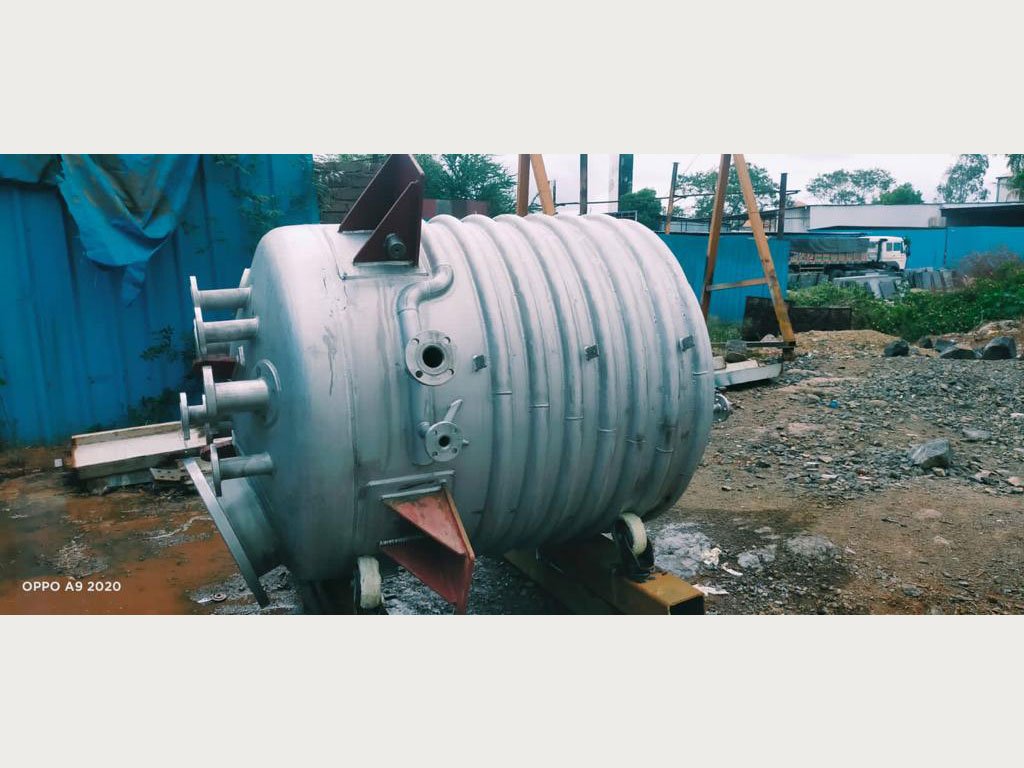
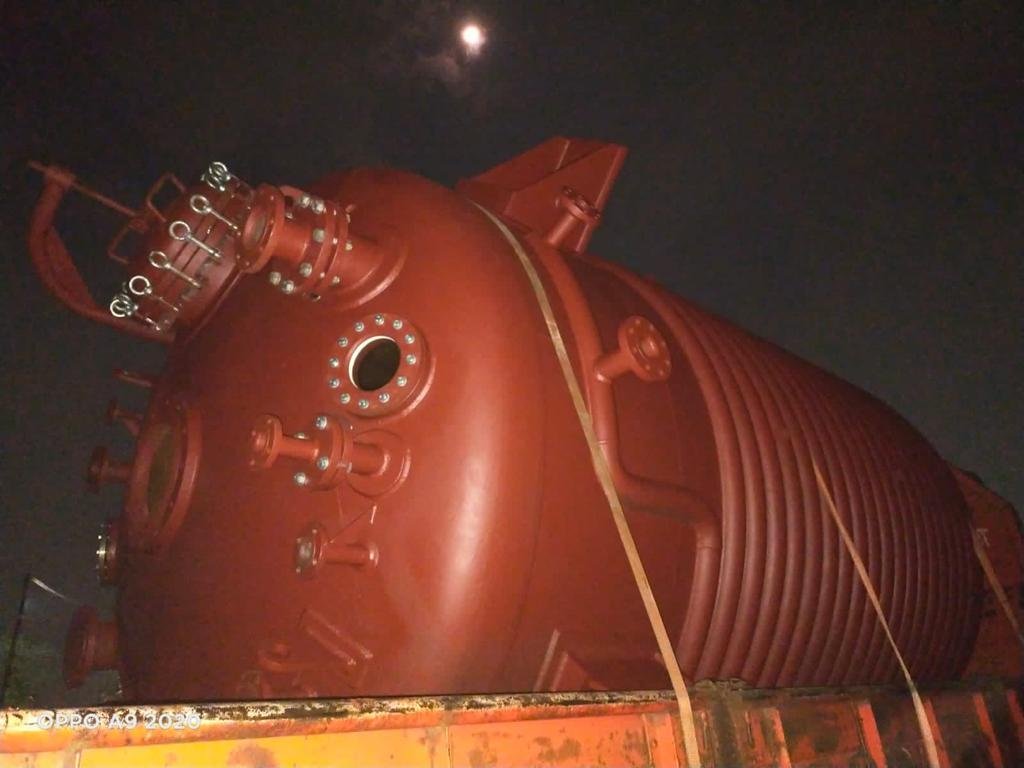
Industrial Pressure Vessel
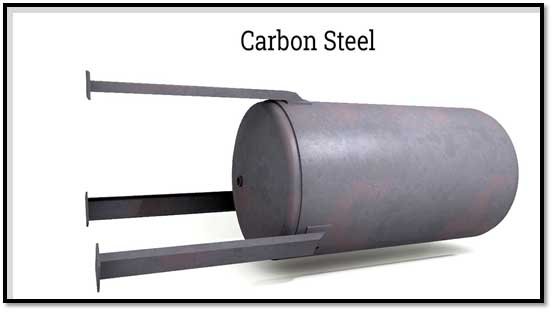
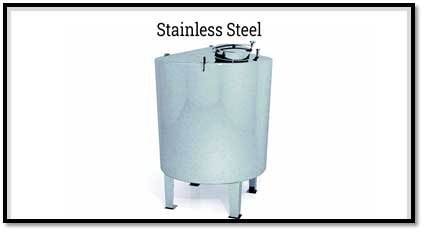
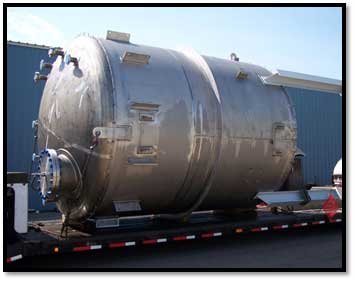
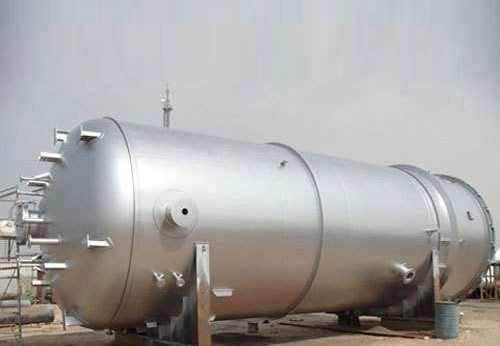
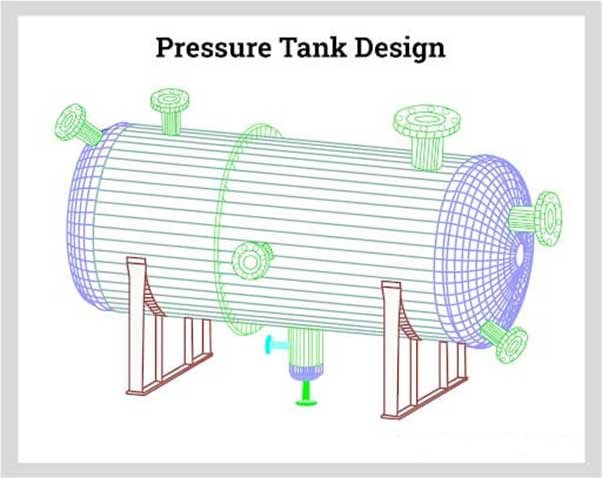
Cylindrical pressure vessels are composed of a cylindrical shell and a set of heads. The cylindrical shell is the body of the pressure vessel. The heads serve as the end caps or enclosure to the shell to cover the contents of the vessel. The heads may have a flatter or more rounded profile. The latter reduces the weakness of the cylindrical vessel. Cylindrical pressure vessels are the most widely used vessel shape due to their versatility. They are much cheaper to produce than spherical vessels. However, they are generally weaker than spherical pressure vessels. They typically require thicker walls to achieve the same strength of spherical vessels bearing the same internal pressure.
Maximum Permitted Working Pressure (MAWP)
The MAWP is the maximum allowable pressure determined at the top of the equipment at which the vessel must function at its design temperature. It is the maximum pressure that the vessel's weakest point can withstand at its design temperature. The American Society of Mechanical Engineers (ASME) defines the MAWP value, which companies utilize to ensure that the vessel does not run over this value in order to implement safety standards and prevent explosions. ...MAWP is distinct from design pressure. MAWP is a broad property based on the physical constraints of the material. Corrosion and wear reduce the material's MAWP. The design pressure, however, is determined by the process's operating conditions and may be less than or equal to the MAWP. Design Temperature: The maximum allowed stress is temperature dependent, as strength declines with temperature rise and becomes brittle at extremely low temperatures. When determining the maximum allowed pressure, the pressure vessel must not be operated at a higher temperature. The design temperature is always higher than the maximum operating temperature and lower than the minimum.